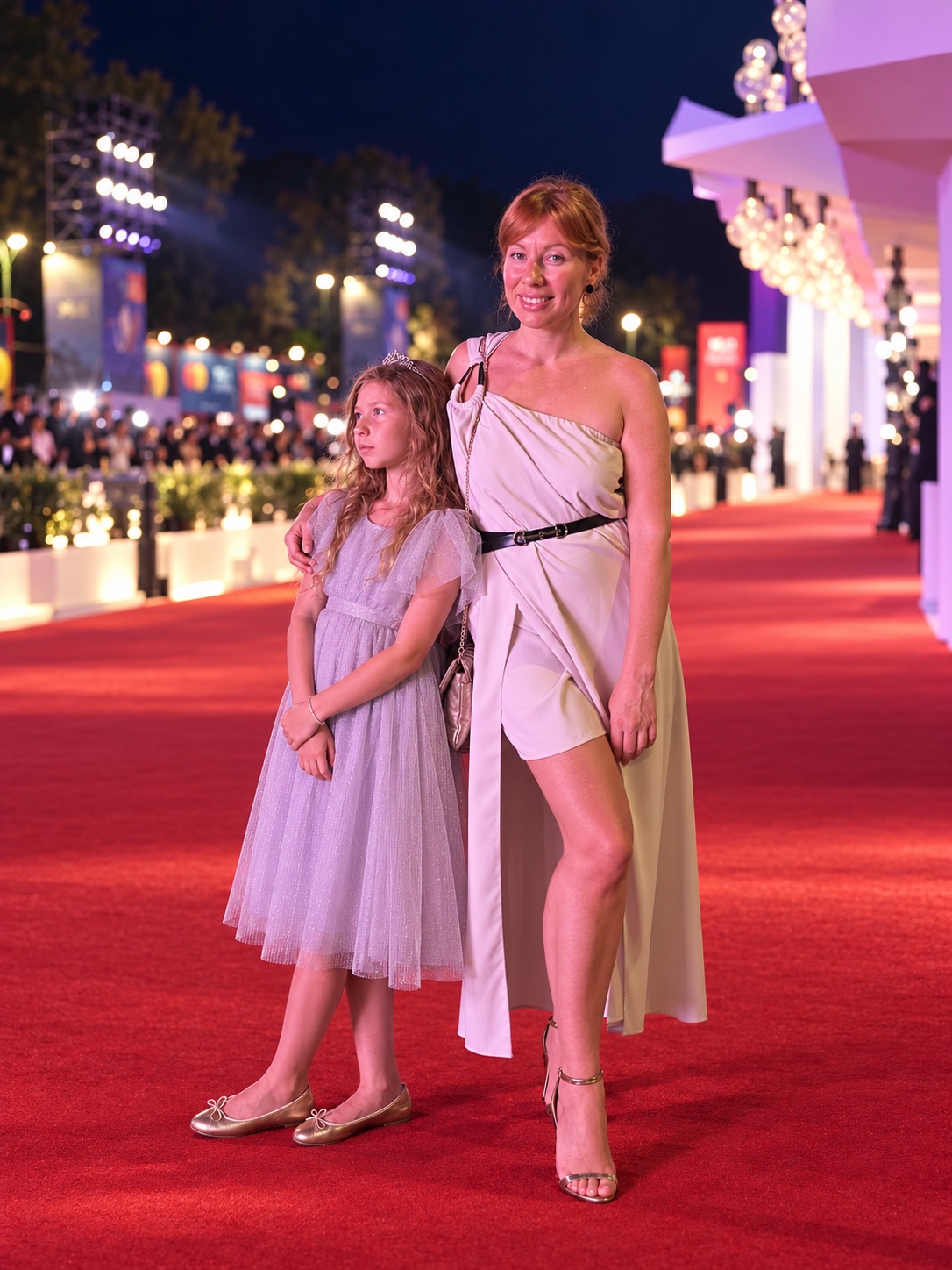
The most visible image of Venice is the red carpet. The more interesting story is what happens around it.
A screening introduces you to a filmmaker’s world. A conversation afterwards reveals how that world was built. An invitation takes you into a different room, where cinema meets fashion, business, patronage or private investment.
As a creative producer, I pay attention to how these moments connect.
My time in Venice reminded me that a festival is more than a programme of films. It is an ecosystem: a temporary concentration of people who have ideas, people who can help realise them, and people who can bring them to an audience.
The producer’s work is to recognise where those interests genuinely meet.
“A familiar name brings expectations. An unfamiliar one asks you to watch differently.”— Sasha Alexeeva
Reading the festival beyond the awards
The 83rd Venice International Film Festival took place from 2 to 12 September 2026. Its awards offered one way of reading the edition: the Golden Lion went to Woman Unknown, directed by May el-Toukhy, while Lee Chang-dong’s Possible Love received the Silver Lion Grand Jury Prize. Ilya Khrzhanovsky won the directing award for DAU.
Those results matter. They influence what gets discussed, acquired and seen. But an awards list cannot capture everything a producer can discover in a festival programme.
The competition also included Florian Zeller’s Bunker, starring Penélope Cruz and Javier Bardem, and Hirokazu Koreeda’s Look Back. Alongside internationally established names, the wider festival created space for filmmakers building their first international recognition.
One example was House of the Wind, by Auguste Bernard Kouemo Yanghu, which received both the Lion of the Future award for a debut film and the Special Orizzonti Jury Prize.
For me, that coexistence is one of Venice’s greatest attractions. You can follow a director whose work you already know, then encounter a voice you had no reason to search for before arriving.
A familiar name brings expectations. An unfamiliar one asks you to watch differently.
Cinema as a glimpse of what comes next
I do not go to a festival simply to identify what is fashionable.
I am interested in the questions filmmakers are beginning to ask: what they notice, what makes them uncomfortable, and which familiar stories no longer seem sufficient.
In that sense, a festival can offer a glimpse of the future. Not because every film predicts what will happen, but because filmmakers often give shape to tensions before we have found an everyday language for them.
Bunker offers a striking premise: an architect’s decision to build a survivalist bunker for a technology billionaire begins to unsettle his marriage. The project brings together private wealth, fear and the ethical consequences of professional ambition.
From a producer’s perspective, that premise immediately raises useful questions. What makes the story urgent? What gives an intimate relationship a wider social resonance? How can a distinctive directorial approach connect with a substantial audience?
These are questions I bring to projects myself. A strong concept needs more than topical relevance. It needs characters, emotional stakes and a reason to exist as cinema.
The opportunity in Venice is to examine those choices across very different films, rather than inside the assumptions of one market.
The ecosystem behind the screenings
The festival’s professional infrastructure makes that exchange concrete.
The Venice Production Bridge brings together activities including gap financing, adaptation rights, work-in-progress support and meetings with streaming platforms. These sit alongside screenings, discussions and other industry services.
That structure reflects something fundamental about production: a film rarely moves forward through creative conviction alone.
It also needs the right partners, a workable financial structure, a route to distribution and people who understand what makes the project worth supporting.
A producer has to move between those conversations without losing the original idea.
This is the part of the industry I find especially engaging. I like understanding what a filmmaker is trying to achieve, recognising who might connect with it, and finding a clear way to bring those people together.
A useful introduction is never just an exchange of contact details. It begins with understanding what each person can contribute.
Why creators belong in the conversation
From the outside, a major film festival can appear to be a sealed professional world. Being there reveals several overlapping communities, with different forms of participation and access.
Digital creators are part of that landscape. Venice’s 2026 Industry Professional accreditation categories explicitly included digital content creators, with eligibility requirements that included collaboration with film production companies. This is a professional route, not unrestricted access for anyone with a social account.
I welcome that recognition.
A thoughtful review, interview or video can introduce a film to someone who would never read an industry publication. It can make an unfamiliar director feel relevant to a new audience, or keep a conversation alive after the premiere.
For me, working across production and communication is an advantage. I think about both the project and its public life: what deserves attention, how to communicate it accurately, and which format will give people a reason to engage.
The challenge is to create something more valuable than proof that you were there.
Donna Luna Venezia: another kind of meeting place
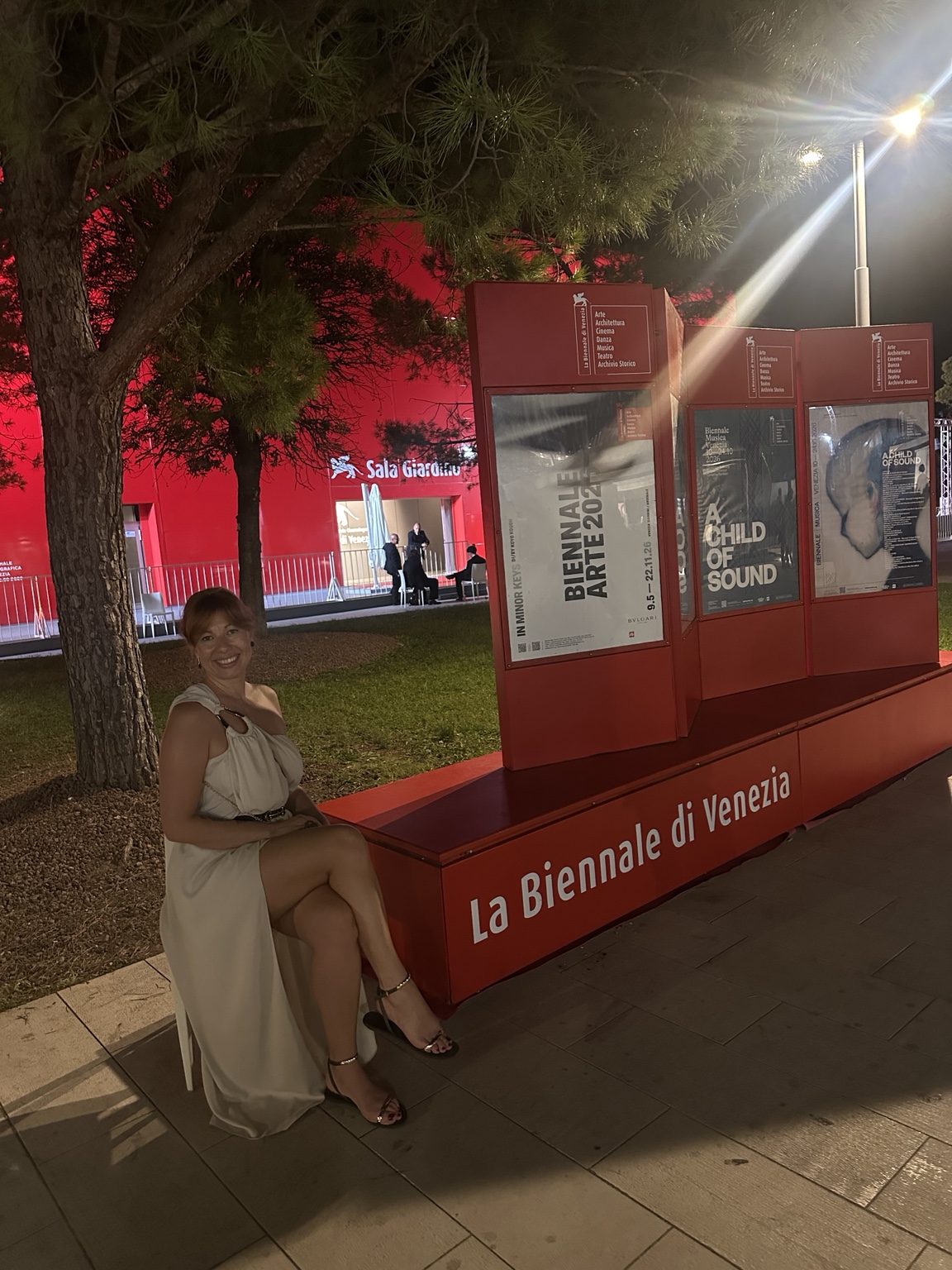
A memorable part of my Venice experience was the Golden Luxury Party by Donna Luna Venezia, a separate private event held during the festival period in a historic Venetian palazzo. Its announced format brought together art, fashion, music, hospitality and international networking.
It belonged to the wider social and cultural life surrounding the festival, rather than the official film programme.
I value invitations like this because they bring different professional worlds into the same space. The conversation changes when it includes people whose relationship with culture comes through design, entrepreneurship, patronage or business.
A beautiful setting can help people begin talking. What matters afterwards is whether there is a meaningful reason to continue.
As a producer, I am interested in that distinction. Being in the room is an opportunity; understanding what could happen between the people in it is the work.
A potential collaboration needs more than prestige. It needs shared interests, a credible proposal and someone prepared to carry the conversation into practical next steps.
What Venice means for my work
Based in Madrid and developing creative collaborations across Europe, I see festivals as places to sharpen my judgement as much as expand my network.
They help me discover filmmakers, observe how projects are positioned, and understand how cinema interacts with other cultural and commercial worlds.
They also reinforce the kind of producer I want to be: someone who can recognise a strong idea, communicate why it matters, and create the conditions for the right people to work together.
That might mean developing a film, shaping an editorial story, building a brand collaboration or arranging a carefully considered introduction. The format changes. The need for judgement does not.
My most useful takeaway from Venice was not a list of people I had met. It was a clearer sense of what I could bring to a future conversation.
The films gave me new perspectives. The encounters suggested new possibilities. The responsibility now is to turn that experience into thoughtful, concrete work.
That, for me, is Venice through a producer’s eyes.